Treating hearing loss has a wealth of benefits for your overall health and wellbeing, from strengthening your social life to aiding balance, from improving your ability to focus to lowering your risk of depression and anxiety. Hearing aids are incredible pieces of technology, and hearing aid manufacturers and designers are constantly working to improve their designs and technology to ensure they adequately address users’ needs. Here’s how modern hearing aids are better than ever before.
Modern, Stylish Designs…and Comfortable, Too
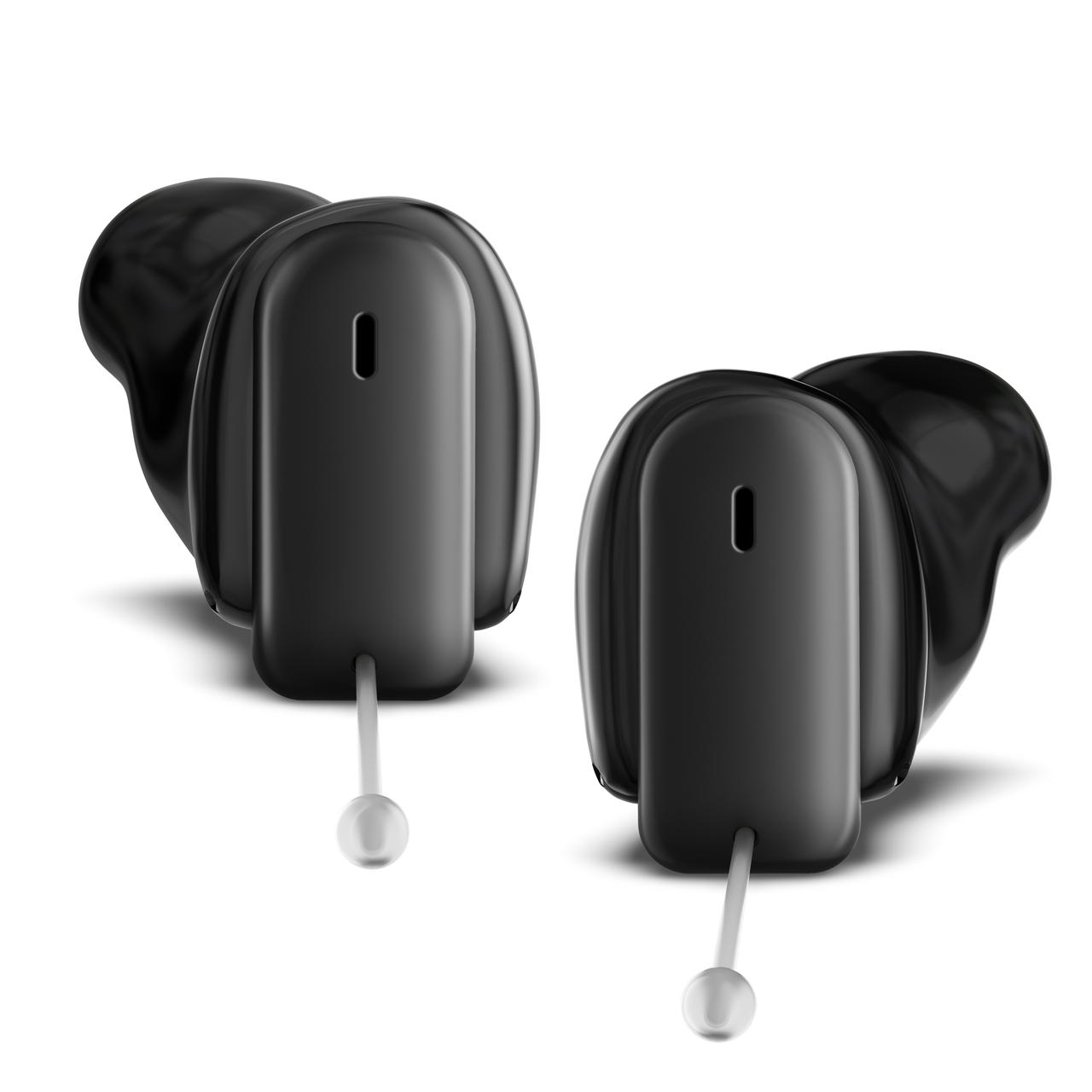
Until somewhat recently, hearing aids were large and bulky, making them uncomfortable and noticeable. Many people who have a pair of hearing aids never wear them, and, in a collection of studies undertaken from 2000 to 2012, approximately 28% of hearing aid non-users cite discomfort as the reason their hearing aids stay in the drawer.
If you have been avoiding hearing aids because you’re under the impression that they’re bulky and uncomfortable, we want to assure you that hearing aid wearability and comfort have advanced in huge strides since 2012! They are smaller without sacrificing power, lighter without sacrificing durability—in fact, they’re more durable than ever, with some models having an IP rating of IP68—and more discreet, almost invisible. If you’re worried about comfort or style, you can put those worries to rest with modern hearing aids.
Smart Digital Sound Processing
Hearing aids of the past were analog, amplifying all sounds that entered the microphone indiscriminately, essentially turning the volume up on the whole world. Unfortunately, this isn’t really how hearing loss works. Instead, hearing loss progresses by pitch, not by volume, meaning that you’ll struggle to pick up on some pitches, while others may still come through clearly. Most commonly, people with hearing loss lose their high-frequency hearing first.
To address this, digital hearing aids were developed. Now, instead of sound waves passing straight from the microphone to the speaker, they are filtered through a microprocessor, which converts the sound waves into digital signals and analyzes them. It can then prioritize what to amplify into your ear. This is incredibly significant because it means that your hearing aids can be customized to your exact hearing needs. They can amplify the frequencies you struggle to hear without turning the volume up on others.
Manufacturers have made this technology even more sophisticated and life-changing in other ways, too, including:
- Background noise suppression, meaning that the microprocessor can discern what is background noise and tune it out, so your brain doesn’t need to expend energy on filtering out background noise itself
- Speech amplification, meaning the microprocessor can pick out the sounds of speech and amplify them. This is a huge benefit to people with speech processing difficulties
- Feedback and wind noise suppression, meaning your microprocessor can detect the annoying sounds of feedback and wind noise, which are almost impossible to avoid whenever a system involves a microphone, and suppress them entirely, sparing you the nuisance of whistling in your ears
Ask Us About Other Technology
As hearing health professionals, we find these innovations in hearing aids incredibly exciting, and we’re thrilled to be able to use this life-changing technology to help our patients. Moreover, modern hearing aids come with a range of bonus features, such as Bluetooth streaming, smartphone apps, health and fitness tracking and AI integration. If your hearing aids have been put in a drawer, or if you’ve been delaying the process of getting hearing aids, know that modern hearing aids are better than ever before. Contact San Diego Hearing Center today to learn more about this technology and how it can change your life. We look forward to seeing you!