Loud noise exposure is a common cause of hearing loss, but it is not limited to single, deafening sounds, such as a gunshot or a jet plane taking off. In fact, noises that are elevated in volume but not excessively loud can have an erosion-like effect on our hearing, chipping away bit by bit over a prolonged period of time. Let’s explore some of the everyday objects that could impact your hearing that you may have around your home.
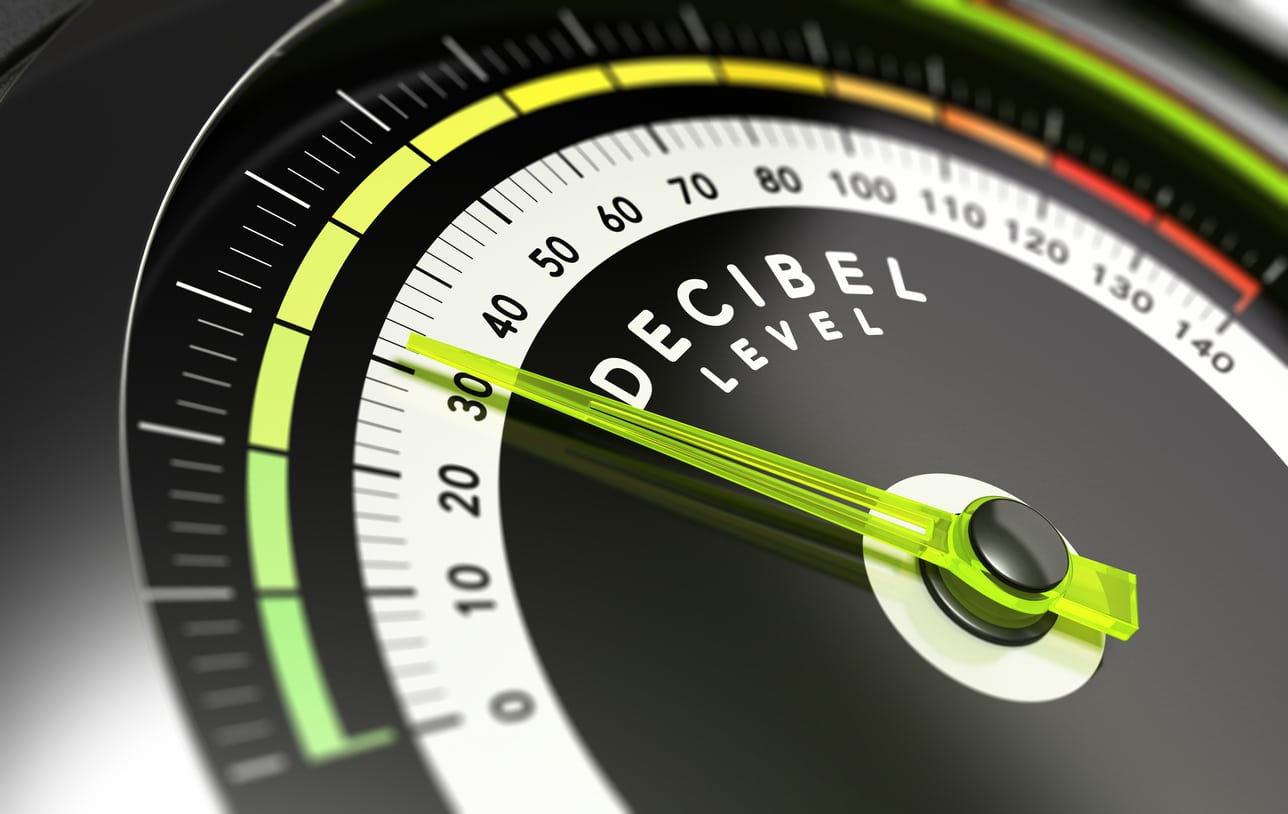
Dangerous Sound Levels and Noise-Induced Hearing Loss
Hearing loss caused by exposure to loud noise is called noise-induced hearing loss, or NIHL. Anyone at any age can develop NIHL, and it’s estimated that as many as 40 million U.S. adults have symptoms of NIHL. So, how loud is too loud?
You may know that sound is measured in decibels (dB). Decibels don’t increase linearly, i.e., one decibel is not a constant, measurable unit of sound. Rather, they increase exponentially. A 2 dB increase means a sound is doubled. A 10 dB increase in volume means a tenfold increase in loudness. A 20 dB increase means the sound is 100 times louder. Keep this in mind when reviewing the list below. It may appear like all the noises are very close together, but in fact, each step up is an increase of ten times.
Sound levels become hazardous to hearing at 85 dB. Here are some sounds to reference (note that these are approximate, as they can range in volume depending on your proximity and other factors):
- 60 dB: Normal conversation
- 70 dB: Regular traffic
- 80 dB: Noisy restaurants
- 90 dB: Motorcycles
- 100 dB: Live events, like sporting events or concerts
- 110 dB: Sirens
- 120 dB: Jet plane
- 130 dB: Construction equipment
- 140 dB: Fireworks
Loud Noises Around the Home
Here are some common household objects that can reach dangerous volume levels if you’re not careful with the length of exposure or use of hearing protection.
Cleaning and Appliances
- Vacuum cleaner: 70–85 dB
- Washing machine & dryer: 70–90 dB
In the Kitchen
- Blender: 85–90 dB
- Garbage disposal: 85–95 dB
- Food processor: 85–100 dB
In the Bathroom
- Hair dryer: 80–95 dB
Entertainment and Other Electronics
- Television: 75–90 dB
- Listening to audio through phone or tablet speakers: up to 90 dB
- Listening to audio through headphones: up to 110 dB
- Alarm systems: 100–120 dB
In the Yard
- Lawn mower: 90 dB
- Leaf blower or snow blower: 100–110 dB
Protecting Your Hearing
If you know you’re going to be exposed to loud noises, it’s imperative to protect your hearing. Cut down on the length of time you spend in the presence of hazardous sound levels, if possible, and wear hearing protection if necessary.
If you suspect that you’re in the beginning stages of NIHL, schedule a hearing test. The results of a hearing test will confirm the extent of your hearing damage and inform you how to treat it before it progresses further. Call San Diego Hearing Center today to learn more.